Free Text QR Code Generator: Complete Guide to Creating QR Codes in Seconds
In today's digital world, QR codes have become an essential tool for sharing information quickly and efficiently. Whether someone needs to share contact details, promotional messages, or simple text snippets, a text QR code generator makes the process incredibly straightforward. This comprehensive guide explores everything users need to know about creating and utilizing these powerful digital tools.
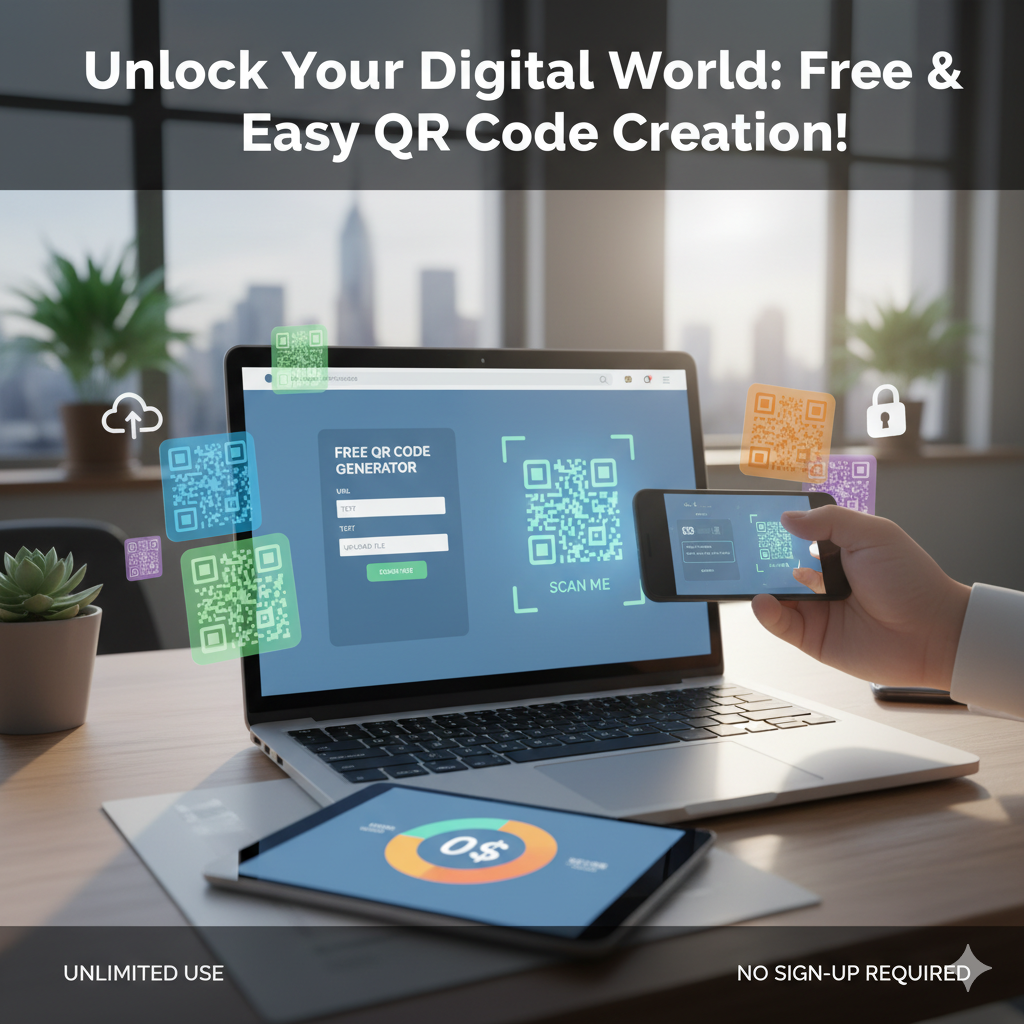
Easily Create a QR Code for Any Occasion in Seconds!
Creating QR codes has never been more accessible than it is today. With the right tools, anyone can generate a functional QR code in just moments, regardless of technical expertise. The beauty of modern free text QR code generator platforms lies in their simplicity and versatility.
These digital tools serve countless purposes across personal and professional settings. Someone planning a wedding can create QR codes linking to their registry or event details. A teacher might generate codes containing homework assignments or educational resources. Business owners can develop codes for special promotions, contact information, or product details.
The versatility extends to various occasions including networking events, where professionals can share their contact information instantly. Event organizers use them for ticketing and check-in processes. Restaurant owners incorporate them into menus for contactless ordering. The possibilities are truly limitless when users have access to reliable generation tools.
Create QR Codes With Our Step-By-Step System
Understanding how to properly create QR codes ensures users get the best results for their specific needs. The process using a plain text QR code generator is remarkably straightforward, even for those who have never created one before.
Getting Started with Your First QR Code
The first step involves selecting a reliable free plain text qr code generator platform. Users should look for services that offer intuitive interfaces and don't require complicated registration processes. Many platforms allow immediate code creation without any barriers.
Once a user has chosen their preferred platform, the creation process typically follows these simple steps:
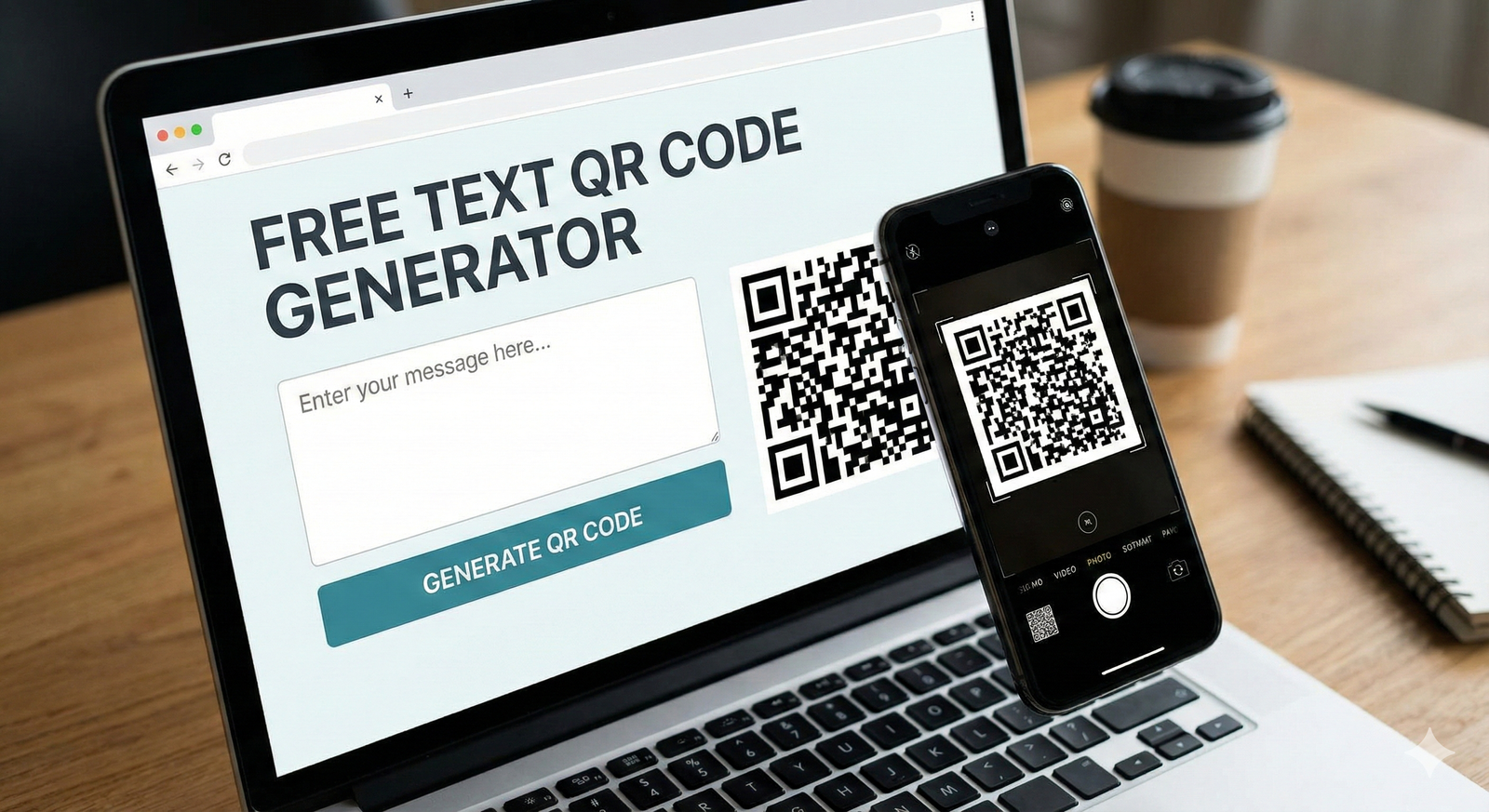
The user begins by navigating to the generator interface. Most platforms display a clean, uncluttered workspace where users can immediately begin entering their information. The interface usually features a text input field prominently displayed at the center of the screen.
Next, the user enters the text content they wish to encode. This could be a simple message, contact information, a URL, or any other text-based data. The simple text qr code generator will accept various types of content, making it flexible for different use cases.
After entering the desired text, users typically have the option to customize their code's appearance. Some generators offer color customization, size adjustments, and even the ability to add logos or images to the center of the code. However, users should remember that excessive customization might affect scanability.
The final step involves generating and downloading the code. Most platforms provide instant generation, displaying the finished QR code within seconds. Users can then download the image in various formats, typically including PNG, JPG, or SVG files.
Technical Considerations for Optimal Results
When creating QR codes, certain technical factors affect their functionality and scanability. Understanding these elements helps users create more effective codes that work reliably across different devices and scanning conditions.
The amount of text encoded directly impacts the code's complexity. Shorter text strings result in simpler patterns with larger individual elements, making them easier to scan from greater distances. Longer text creates more complex patterns with smaller elements, which may require closer proximity for successful scanning.
Resolution and size matter significantly when it comes to practical use. Codes intended for print materials should be generated at higher resolutions to maintain clarity. Digital codes can use lower resolutions since screens typically display them clearly. A general rule suggests that printed QR codes should be at least 2 x 2 centimeters for reliable scanning.
Contrast between the code and its background plays a crucial role in scanability. Traditional black-on-white combinations offer the best results, though modern qr code scanner technology can handle various color combinations. Users should ensure sufficient contrast exists between the code and background for optimal performance.
QR Codes to Boost Your Business
Businesses of all sizes have discovered the tremendous value QR codes bring to their marketing and operational strategies. These versatile tools bridge the gap between physical and digital experiences, creating seamless customer interactions.
Marketing and Customer Engagement
QR codes revolutionize how businesses connect with their audience. Rather than relying on customers to manually type URLs or search for information, companies can provide instant access through simple scans. This friction-free experience significantly increases engagement rates.
Retail businesses use QR codes on product packaging to share detailed specifications, usage instructions, or promotional videos. Customers appreciate the instant access to information without needing to navigate complex websites or contact customer service. This self-service approach enhances the overall shopping experience while reducing support costs.
Marketing campaigns benefit enormously from QR code integration. Print advertisements, billboards, and flyers can include codes linking to landing pages, special offers, or video content. This connection between offline and online marketing channels provides valuable tracking data, allowing businesses to measure campaign effectiveness accurately.
Customer feedback collection becomes streamlined through QR code implementation. Instead of distributing lengthy paper surveys or asking customers to remember website addresses, businesses can place QR codes at strategic locations. Customers can quickly access feedback forms, increasing response rates and providing valuable insights.
Operational Efficiency and Cost Savings
Beyond marketing applications, QR codes deliver significant operational benefits. Inventory management systems incorporate codes for tracking products throughout the supply chain. Warehouse workers can quickly scan codes to update inventory levels, reducing manual data entry errors and saving considerable time.
Employee training materials become more accessible through QR code integration. Rather than maintaining bulky printed manuals, companies can create codes linking to video tutorials, procedure documents, or safety information. This approach ensures employees always access the most current information while reducing printing costs.
Event management becomes considerably more efficient with QR code ticketing systems. Attendees can receive tickets electronically and present them via smartphone for quick entry. This system eliminates printing costs, reduces wait times, and provides valuable attendance data for future planning.
How Do I Create a Free QR Code?
Creating a free QR code is an incredibly straightforward process that anyone can accomplish within minutes. The accessibility of free generation tools has democratized this technology, making it available to individuals and organizations regardless of budget constraints.
The first step involves selecting an appropriate free generation platform. Numerous websites offer this service without requiring payment or even registration. Users simply visit the website and can immediately begin creating their codes. Some popular platforms provide additional features for premium users, but the basic free functionality typically meets most needs.
Once on the platform, users locate the text input section. This area might be labeled as "Enter your text," "Text content," or something similar. The platform accepts various types of text content, from simple messages to more complex information like contact details or event information.
After entering the desired text, users click the generate button. The platform processes the information and creates a visual QR code within seconds. Most platforms display the code immediately on screen, allowing users to preview it before downloading.
Downloading options typically include various file formats. Users can choose formats based on their intended use—PNG or JPG for general purposes, SVG for scalable graphics that maintain quality at any size, or PDF for printing. Many platforms allow users to download their codes without watermarks or restrictions, even when using free versions.
Some users wonder about the longevity of free codes. Unlike dynamic QR codes that might expire or require ongoing subscriptions, static text codes created through free generators work indefinitely. Once created and downloaded, these codes function permanently without requiring the original platform to remain operational.
How Much Does a Plain Text QR Code Cost?
The cost of creating plain text QR codes varies dramatically depending on the chosen platform and required features. However, the excellent news for most users is that basic text QR code generation typically costs absolutely nothing.
Free generation tools dominate the market, providing full functionality without any charges. These platforms support themselves through advertising, premium feature upgrades, or by offering free basic services alongside paid advanced options. Users creating simple text codes rarely encounter situations requiring payment.
The distinction between free and paid options typically centers around advanced features rather than basic functionality. Free platforms generally offer:
Standard QR code generation for text content of reasonable length. Users can encode messages, contact information, simple instructions, or other text-based data without incurring any costs. The codes function identically to those created through paid platforms.
Basic customization options including size adjustments and simple color changes. While free versions might limit color palettes or design templates, they still provide enough flexibility for most practical applications.
Unlimited code generation without quantity restrictions. Unlike some services that limit free users to a certain number of codes per month, many text code generators allow unlimited creation since these codes don't require ongoing server resources.
Permanent codes that never expire. Static text codes work indefinitely once created, regardless of whether the user continues using the platform or not.
Paid options typically offer benefits like:
Advanced analytics showing how many times codes have been scanned, when scans occurred, and geographic locations of scanners. This data proves valuable for businesses tracking campaign effectiveness.
Enhanced customization including logo integration, complex color schemes, and design templates that make codes more visually appealing and brand-aligned.
Dynamic codes that allow content updates without changing the visual code itself. Users can modify the linked information while the printed or distributed code remains the same.
Premium support and higher resolution downloads for professional printing needs.
White-label solutions that remove platform branding from generated codes and associated pages.
For individuals and small businesses creating basic text codes, free options provide complete functionality. Organizations requiring advanced features or extensive code deployment might find value in premium services, but the fundamental ability to create working text QR codes remains free for everyone.
Can a QR Code Send a Text Message?
QR codes possess remarkable versatility in terms of the actions they can trigger when scanned. Understanding their capabilities helps users leverage them more effectively for communication purposes.
Traditional text QR codes contain static information that displays when scanned. A user scans the code with their smartphone camera or a dedicated qr code scanner application, and the encoded text appears on their screen. This might be a simple message, contact information, or instructions. The scanning device simply displays the information without taking additional actions.
However, QR codes can indeed trigger text messaging functionality through specific formatting. When encoded with SMS protocol information, a QR code can prompt the scanning device to open its messaging application with a pre-filled phone number and message text. This functionality creates powerful opportunities for customer engagement and communication.
The technical implementation uses a specific format: SMS:phone-number:message-text. When a code contains this structured information, compatible devices recognize the SMS command and respond accordingly. The user's phone opens its default messaging application, populates the recipient field with the specified phone number, and inserts the pre-written message text. The user simply needs to press send to complete the action.
This capability serves numerous practical applications across various industries:
Businesses use SMS-enabled codes for customer service inquiries. A customer experiencing a product issue can scan a code printed on the packaging, automatically opening a message to the support team with a pre-filled description of their product model. This streamlines the support process while ensuring the company receives necessary information.
Event organizers implement these codes for RSVP collection. Attendees scan a code on promotional materials, triggering a text message to the event coordinator confirming their attendance. This system simplifies response collection and creates an easily manageable database of confirmations.
Marketing campaigns incorporate SMS codes for contest entries or promotional offers. Customers scan codes on advertisements or in-store displays, sending keyword texts that enter them into competitions or unlock special discounts. This direct engagement method generates higher participation rates than traditional entry methods.
Healthcare providers use these codes for appointment confirmations or prescription refills. Patients scan codes on appointment cards or medication bottles, sending verification texts to confirm appointments or request renewals. This system reduces missed appointments and streamlines pharmacy communications.
Real estate agents place SMS codes on property signs allowing interested parties to request information instantly. Potential buyers scan the code, automatically sending their interest to the agent who can follow up with property details. This immediate connection creates timely engagement opportunities.
The effectiveness of SMS-enabled QR codes depends on proper implementation. The encoded message should be clear and concise, explaining what action the user is taking by sending the text. Users appreciate transparency about where their message is going and what information they're sharing.
Compatibility considerations also matter. While most modern smartphones handle SMS-enabled codes effectively, some older devices or certain qr code scanner applications might not support this functionality. Organizations should test their codes across various devices to ensure broad compatibility.
Privacy concerns require attention when implementing SMS functionality. Users should clearly understand that scanning will initiate a text message, and organizations must handle received contact information responsibly according to privacy regulations and best practices.
Essential Tools: QR Code Scanner Technology
Understanding scanner technology helps users create more effective codes and troubleshoot scanning issues. The scanning process involves sophisticated technology that has evolved significantly over recent years.
Modern smartphones include built-in QR code recognition within their default camera applications. Users simply open their camera app, point it at a code, and the device automatically detects and processes it. This native functionality has dramatically increased QR code adoption since users no longer need to download specialized applications.
Dedicated scanning applications offer enhanced functionality beyond basic recognition. These apps might provide scanning history, allowing users to revisit previously scanned codes. Some include built-in security features that preview URLs before opening them, protecting users from potentially malicious codes. Others offer advanced features like batch scanning or code generation capabilities.
The scanning process relies on the device's camera capturing the code image and sophisticated algorithms interpreting the pattern. The technology identifies the position detection patterns—those distinctive squares in three corners—which help the scanner determine the code's orientation and boundaries. The algorithm then analyzes the data modules (the small black and white squares) to extract the encoded information.
Lighting conditions significantly affect scanning success. Optimal results occur in well-lit environments where the camera can clearly distinguish between light and dark elements. Extremely bright conditions might create glare that obscures pattern details, while very dim lighting prevents the camera from capturing sufficient detail. Users should position codes to avoid direct light reflection while ensuring adequate overall illumination.
Distance and angle considerations impact scanning effectiveness. Holding the device too close prevents the camera from focusing properly, while excessive distance makes the individual pattern elements too small to resolve. The ideal distance typically ranges from six to twelve inches, depending on the code's physical size and the camera's capabilities.
Steady positioning improves scanning reliability. Excessive movement or shaky hands can blur the image, preventing successful interpretation. Users should hold their device steady for a moment to allow the camera to focus and the processor to analyze the pattern.
Some scanning applications offer additional assistance features. Flash functionality helps illuminate codes in dark environments. Zoom capabilities allow scanning smaller codes from greater distances. Manual focus controls help users optimize sharpness for challenging scanning conditions.
Maximizing QR Code Effectiveness
Creating functional codes represents just the beginning—maximizing their effectiveness requires strategic implementation and thoughtful design considerations.
Placement significantly influences scanning rates. Codes should be positioned at comfortable viewing and scanning heights, typically between waist and eye level. Locations where people naturally pause or gather provide optimal placement opportunities. Entrances, checkout counters, and waiting areas all offer high-visibility positions where people have time to scan codes.
Size appropriateness ensures reliable scanning across various distances. Small codes work fine for business cards or product packaging where users examine items closely. Larger codes suit posters, billboards, or window displays where scanning occurs from greater distances. A useful guideline suggests that the scanning distance in centimeters should not exceed ten times the code's width in centimeters.
Clear calls-to-action dramatically increase scanning rates. Rather than placing bare codes without context, users should include brief explanations of what scanning will provide. Phrases like "Scan for special offers," "Get instant product information," or "Watch our video tutorial" give people compelling reasons to engage with the code.
Testing before deployment prevents embarrassing failures and ensures positive user experiences. Creators should test their codes using multiple devices and different scanning applications to verify universal compatibility. Testing under various lighting conditions helps identify potential scanning challenges. Verifying that encoded information displays correctly ensures users receive the intended content.
Strategic context integration makes codes feel natural rather than intrusive. Rather than randomly placing codes on materials, thoughtful integration connects them to relevant content moments. Product packaging codes should appear near ingredient lists or usage instructions. Advertisement codes belong near key selling points or special offer announcements. This contextual placement creates logical scanning moments.
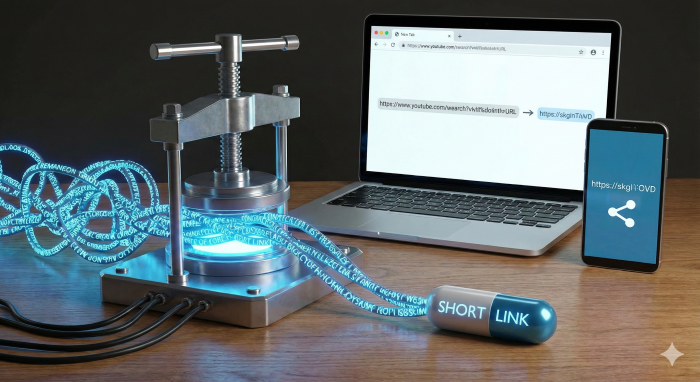
Tracking and analytics provide valuable insights for optimization. While free static codes don't offer built-in tracking, users can employ URL shorteners with analytics capabilities when linking to web content. Organizations using codes for business purposes might consider platforms offering tracking features to measure engagement and improve future deployments.
Regular auditing ensures continued functionality. Physical codes on printed materials should be checked periodically for damage, fading, or obstruction. Digital codes on websites should be verified to ensure they remain functional and link to current, relevant content. This ongoing maintenance prevents user frustration and maintains professional standards.
Advanced Applications and Creative Uses
Beyond basic text sharing, creative individuals and organizations have developed innovative applications that push QR code boundaries.
Educational institutions implement codes throughout campuses and learning materials. Library books include codes linking to related resources, discussion forums, or multimedia content that enhances the reading experience. Classroom posters feature codes connecting to lesson plans, homework assignments, or educational videos. Campus maps incorporate codes at various locations providing building information, event schedules, or historical context.
Museums and galleries enhance visitor experiences through strategic code placement. Artwork labels include codes linking to artist interviews, creation process videos, or detailed provenance information. Historical exhibits feature codes connecting to primary source documents, contemporaneous news articles, or expert commentary. Interactive installations use codes to trigger augmented reality experiences or multimedia presentations.
Tourism applications make exploration more engaging and informative. Historical markers include codes linking to period photographs, oral histories, or detailed historical accounts. Restaurant guides feature codes connecting to menus, reviews, or reservation systems. Trail markers incorporate codes providing difficulty ratings, distance information, or natural history content.
Personal uses demonstrate creativity and practicality. Home organizers place codes on storage containers linking to inventory lists or usage instructions. Gardeners attach codes to plant markers containing care requirements, pruning schedules, or harvest timing information. Pet owners put codes on collar tags linking to contact information, medical records, or care instructions for pet sitters.
Emergency preparedness applications provide critical information access. First aid kits include codes linking to treatment instructions or emergency contact numbers. Evacuation route maps feature codes connecting to detailed procedures or assembly point information. Emergency supply containers have codes listing contents, expiration dates, or replacement schedules.
Conclusion: Empowering Communication Through Accessible Technology
The democratization of QR code technology has created unprecedented opportunities for efficient information sharing across countless applications. Access to free, user-friendly generation tools means anyone can leverage this powerful technology regardless of technical expertise or budget constraints.
From simple text messages to sophisticated business applications, QR codes bridge physical and digital worlds seamlessly. Their versatility, combined with universal smartphone compatibility, ensures their continued relevance in an increasingly connected world.
Whether someone needs to share contact information at a networking event, promote a business, enhance educational materials, or streamline customer service, QR code technology offers accessible, effective solutions. The minimal barriers to creation and implementation mean that powerful digital tools are truly available to everyone.
As scanning technology continues improving and creative applications expand, QR codes will undoubtedly play an increasingly important role in daily communication and information access. Understanding how to create and effectively implement these tools positions individuals and organizations to take full advantage of the opportunities they provide.
The future promises even more innovative uses as augmented reality, artificial intelligence, and other emerging technologies integrate with QR code functionality. Those who master current applications while remaining open to new possibilities will find themselves well-positioned to leverage whatever developments emerge next.